Page 127
P. 127
Travel | Jeddah 125
© Artem Evdokimov / Shutterstock; © Abdullah Al-Othman, Suspended, 2017
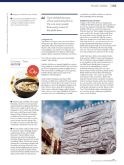
1 Shopping in a traditional souq in Al-Balad. a reminder to Jeddah’s residents to cherish
I love Jeddah because their stunning ancient heritage.
2 This year local artist Abdullah Al-Othman
of how multicultural it is. Jeddah’s beating ‘old heart’
covered a 200-year-old building in tin foil –
a reminder to Jeddah’s residents to cherish You can meet people Unique to the world, and now designated a
their stunning ancient heritage. UNESCO World Heritage Site, the beautiful old
from every corner of houses that hang precariously above Al-Balad,
the globe here... Jeddah’s Old Town, were built using coral
from the Red Sea. These fragile old monuments,
some as tall as five storeys, date mostly from
the early 20th century, though their style is
much older. A wander through the narrow
A migrant city alleyways, designed to create shade from the
“My father’s ancestors came here from Africa blistering desert sun, reveals intricate brown
a long time ago. They stayed and were given and green rawashan (balconies) on the now
citizenship when the kingdom was formed.” faded whitewashed walls. The dense latticework
Ma’tar is the result of ancient migration, but lets cool air in but keeps the sun and prying
today Jeddah is run by the new migrants, such eyes out. These are the finest examples of Red
as the Bangladeshis who keep its roads clean Sea coral architecture anywhere in the world.
and the almost exclusively Pakistani cab drivers.
Aside from that, with a newly minted status
“It’s Urdu not Arabic you need to get around bestowed by UNESCO status and statements
5 Senses – Taste Jeddah,” jokes Ma’tar. like Al-Othman’s have prompted authorities
to act. Evidence of this can be found close to
MA’SUB Jeddah’s children are taught English by teachers the Old Town’s North Gate. Extensively
from England, Australia and the USA, and if they renovated, the Naseef House, with its
get ill it is an Egyptian, Syrian or Indian doctor multitude of ornate balconies, was once
who treats them. A melting-pot of immigrants, home to the founder of modern Saudi Arabia
Jeddah’s distinct flavour has made it the (King Abdul Aziz stayed here following his
kingdom’s cultural capital. conquest in 1925) – the cynics say this is the
real reason for the renovation. Before the
Saudi Arabia’s European and Asian Film king, the Naseef House was home to Jeddah’s
Festivals are held here, and last February Jeddah richest merchant family, and its most famous
hosted the country’s first ever Comic-Con. It is tree. As recently as the 1920s, the tree next to
also home to one of the kingdom’s largest book the Naseef House was the only tree in Jeddah,
fairs. There is even a festival to celebrate the with locals referring to it as the ‘House of the
city’s unique cultural heritage, called Atareek, Tree’. The building’s other stunning feature
where this year local artist Abdullah Al-Othman is its rooftop terrace, offering unparalleled
covered a 200-year-old building in tin foil – views across Al-Balad.
Traditionally available only during 2
Ramadan, ma’sub is a local speciality
originating from neighbouring Yemen.
This sweet, stodgy meal-in-one was
designed to fuel a whole day of fasting
but is now sold all year round. Made
from overripe bananas and mashed-
up flatbread laced with cream and
honey (or cheese if you like a savoury
twist), ma’sub is loved by Saudis. The
best place to get it is in the Abu Zaid
restaurants scattered across the city.
Ma’sub adalah makanan lokal yang
berasal dari negara tetangga Yaman,
yang biasanya hanya ada di bulan
Ramadan. Dahulu dibuat untuk
disantap saat sahur, kini masakan
rumahan dengan rasa manis ini tersedia
sepanjang tahun. Terbuat dari pisang
matang dan roti dicampur dengan krim
dan madu (atau keju jika Anda suka
gurih), Ma’sub adalah makanan favorit
orang-orang Saudi. Tempat terbaik
untuk mencobanya adalah restoran Abu
Zaid yang tersebar di seluruh kota.
© Artem Evdokimov / Shutterstock; © Abdullah Al-Othman, Suspended, 2017
1 Shopping in a traditional souq in Al-Balad. a reminder to Jeddah’s residents to cherish
I love Jeddah because their stunning ancient heritage.
2 This year local artist Abdullah Al-Othman
of how multicultural it is. Jeddah’s beating ‘old heart’
covered a 200-year-old building in tin foil –
a reminder to Jeddah’s residents to cherish You can meet people Unique to the world, and now designated a
their stunning ancient heritage. UNESCO World Heritage Site, the beautiful old
from every corner of houses that hang precariously above Al-Balad,
the globe here... Jeddah’s Old Town, were built using coral
from the Red Sea. These fragile old monuments,
some as tall as five storeys, date mostly from
the early 20th century, though their style is
much older. A wander through the narrow
A migrant city alleyways, designed to create shade from the
“My father’s ancestors came here from Africa blistering desert sun, reveals intricate brown
a long time ago. They stayed and were given and green rawashan (balconies) on the now
citizenship when the kingdom was formed.” faded whitewashed walls. The dense latticework
Ma’tar is the result of ancient migration, but lets cool air in but keeps the sun and prying
today Jeddah is run by the new migrants, such eyes out. These are the finest examples of Red
as the Bangladeshis who keep its roads clean Sea coral architecture anywhere in the world.
and the almost exclusively Pakistani cab drivers.
Aside from that, with a newly minted status
“It’s Urdu not Arabic you need to get around bestowed by UNESCO status and statements
5 Senses – Taste Jeddah,” jokes Ma’tar. like Al-Othman’s have prompted authorities
to act. Evidence of this can be found close to
MA’SUB Jeddah’s children are taught English by teachers the Old Town’s North Gate. Extensively
from England, Australia and the USA, and if they renovated, the Naseef House, with its
get ill it is an Egyptian, Syrian or Indian doctor multitude of ornate balconies, was once
who treats them. A melting-pot of immigrants, home to the founder of modern Saudi Arabia
Jeddah’s distinct flavour has made it the (King Abdul Aziz stayed here following his
kingdom’s cultural capital. conquest in 1925) – the cynics say this is the
real reason for the renovation. Before the
Saudi Arabia’s European and Asian Film king, the Naseef House was home to Jeddah’s
Festivals are held here, and last February Jeddah richest merchant family, and its most famous
hosted the country’s first ever Comic-Con. It is tree. As recently as the 1920s, the tree next to
also home to one of the kingdom’s largest book the Naseef House was the only tree in Jeddah,
fairs. There is even a festival to celebrate the with locals referring to it as the ‘House of the
city’s unique cultural heritage, called Atareek, Tree’. The building’s other stunning feature
where this year local artist Abdullah Al-Othman is its rooftop terrace, offering unparalleled
covered a 200-year-old building in tin foil – views across Al-Balad.
Traditionally available only during 2
Ramadan, ma’sub is a local speciality
originating from neighbouring Yemen.
This sweet, stodgy meal-in-one was
designed to fuel a whole day of fasting
but is now sold all year round. Made
from overripe bananas and mashed-
up flatbread laced with cream and
honey (or cheese if you like a savoury
twist), ma’sub is loved by Saudis. The
best place to get it is in the Abu Zaid
restaurants scattered across the city.
Ma’sub adalah makanan lokal yang
berasal dari negara tetangga Yaman,
yang biasanya hanya ada di bulan
Ramadan. Dahulu dibuat untuk
disantap saat sahur, kini masakan
rumahan dengan rasa manis ini tersedia
sepanjang tahun. Terbuat dari pisang
matang dan roti dicampur dengan krim
dan madu (atau keju jika Anda suka
gurih), Ma’sub adalah makanan favorit
orang-orang Saudi. Tempat terbaik
untuk mencobanya adalah restoran Abu
Zaid yang tersebar di seluruh kota.